guide
Why Black Doesn't Look Good on Everyone
Black isn't universally flattering. Here's who it tends to suit, when it can look harsh near the face, and what to wear instead.
Every style guide says the same thing: black is slimming, black is classic, black goes with everything. Build your wardrobe around it.
But spend time around personal color analysis and a different picture emerges. For some people, black near the face genuinely doesn’t work — not because of trend or taste, but because of how the color interacts with their natural features. For others, black is genuinely one of their best colors.
The difference comes down to two things: contrast level and undertone.
Quick Answer: Black works best on people with cool undertones and high natural contrast — Winter types in personal color. For warm-toned people (Spring, Autumn) and lighter or softer types (Light Summer, Soft Autumn), black near the face tends to look harsh, draining, or flat. The fix isn’t avoiding black entirely — it’s understanding when and how to use it.
Why Does Black Look Good on Some People and Not Others?
Contrast and temperature help explain the different effects, alongside fabric, lighting, and the rest of the outfit.
Contrast: black is very dark, so it can give strong definition beside lighter skin, hair, or clothing. That definition often suits Winter palettes, while a softer navy or charcoal may fit a lower-contrast look more easily.
Temperature: black is an achromatic neutral, not a color that absorbs warmth from skin. Warm palettes often find brown, warm navy, or teal easier to combine with their other colors.
These are styling relationships rather than direct measurements of what suits a person; What Is Personal Color Analysis? explains the framework.
Who Looks Great in Black
Black is a strong dark neutral for Winter palettes, particularly True Winter and Deep Winter. It often gives cool, clear outfits crisp definition.
Deep Winter uses black for depth; True Winter can pair it with cool white or red; Bright Winter can add a vivid cool accent. “Dark Winter” is another name for Deep Winter, not a separate season.
The effect still depends on the whole outfit. A black knit with charcoal gives less contrast than a black jacket over a white shirt.
Who Struggles With Black
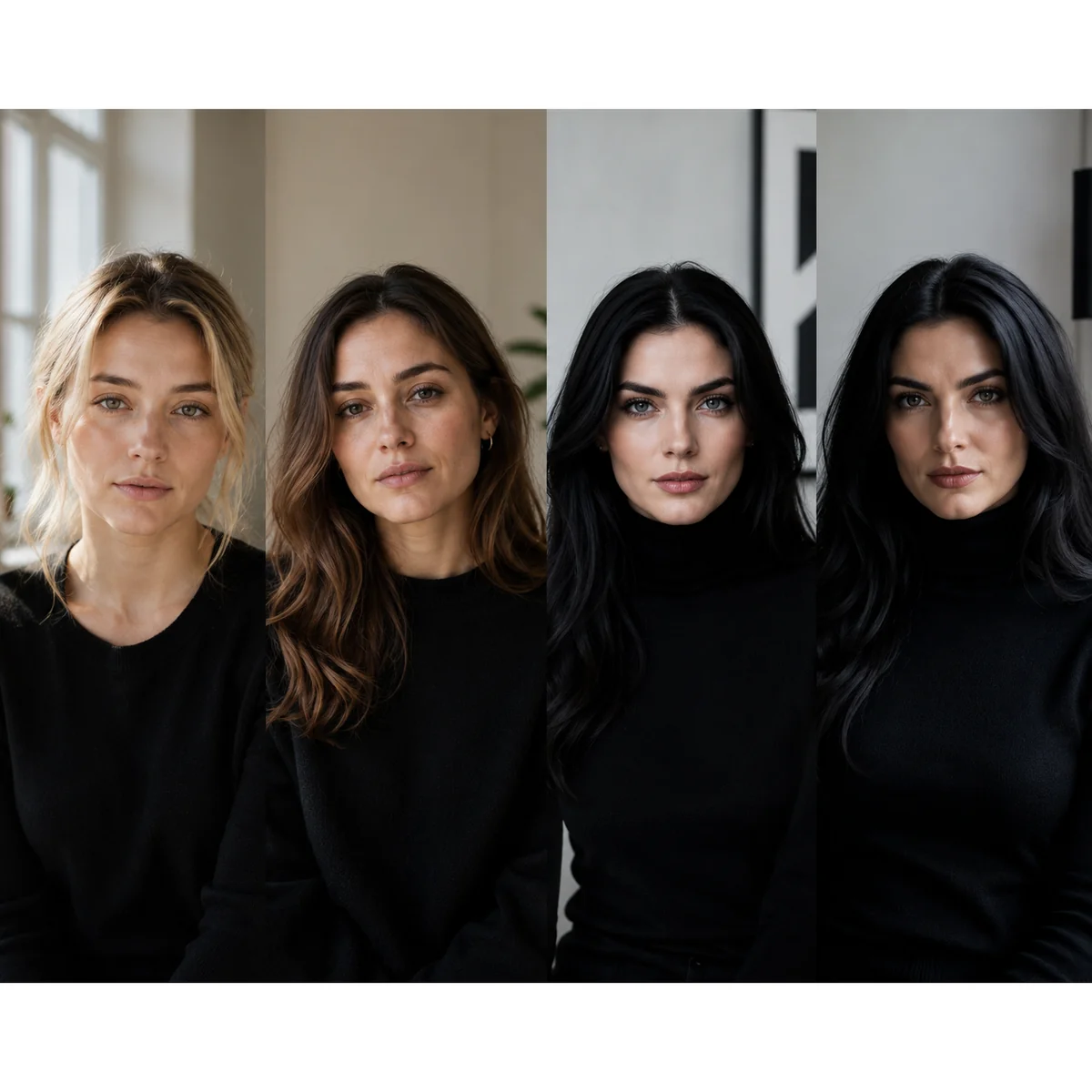
Black near the face can feel heavy on lighter or softer palettes.
Spring: Light Spring often benefits from a lighter warm navy or ivory neckline. True Spring can use warm teal or brown; Bright Spring may carry black more easily when balanced with a clear warm accent.
Light Summer and Soft Summer: charcoal, soft navy, or blue-gray often keeps useful definition without the depth of solid black.
Soft Autumn: softened brown, muted olive, or warm taupe tends to integrate more easily with the palette’s warmth and softness.
The “Near the Face” Rule
One practical nuance that changes everything: where you wear black matters as much as whether you wear it.
Black on the bottom half — trousers, skirts, shoes — is much more forgiving. The color isn’t sitting next to your face, so the contrast and undertone issues are far less visible. Almost every personal color season can wear black trousers without a problem.
The issue concentrates in pieces near the face: tops, jackets, scarves, turtlenecks. This is where the wrong undertone or contrast level becomes visible — in shadows under the eyes, in an ashy quality to the skin, in features that seem to recede.
The practical rule:
- If black works for your season: wear it anywhere, including near the face
- If black doesn’t work near the face: keep it on the lower half, and use your season’s best colors at the neckline
What to Wear Instead
If black feels too strong near your face, these alternatives can do a similar wardrobe job:
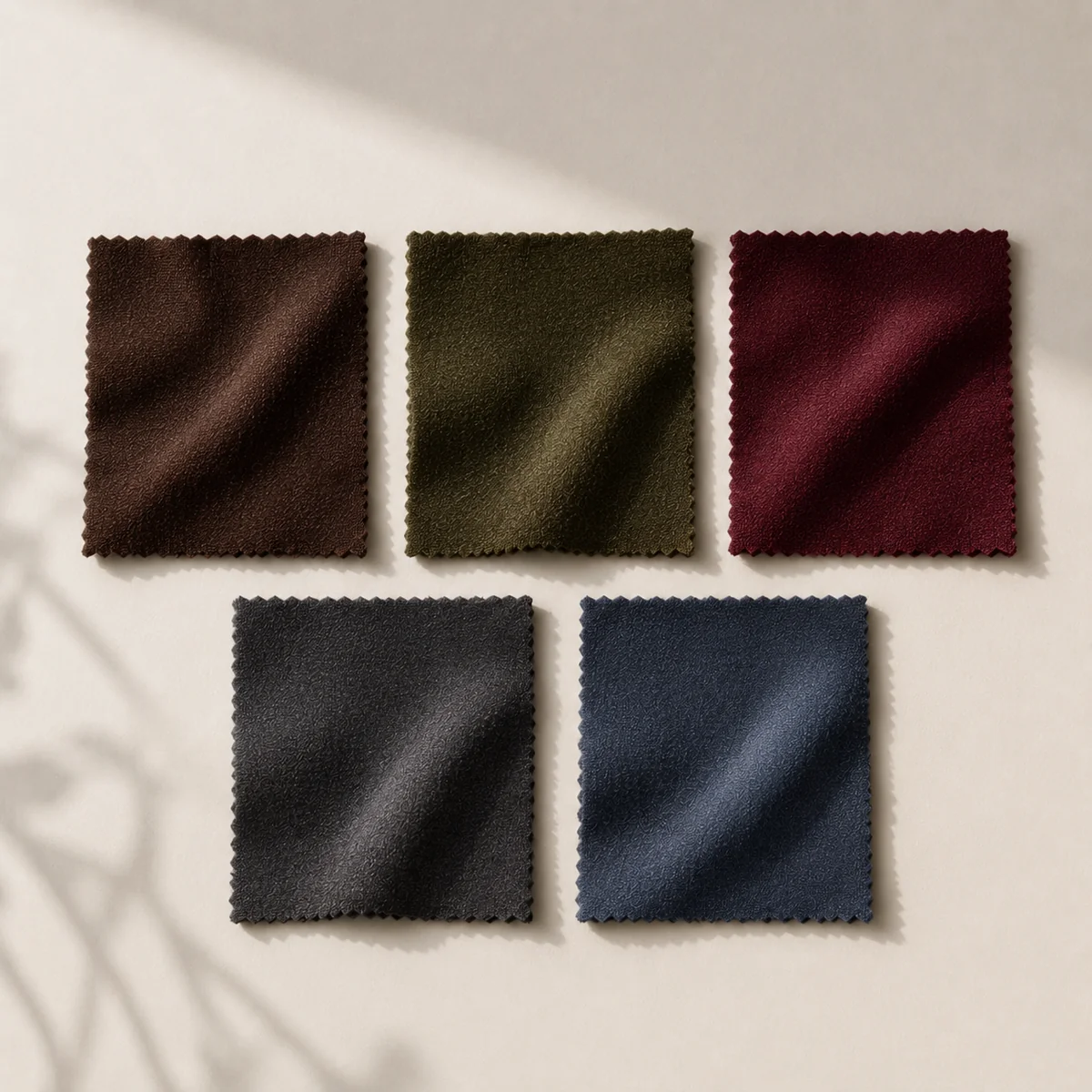
- Spring: warm navy, brown, or warm teal. Choose a lighter version for Light Spring rather than automatically choosing the deepest shade.
- Light Summer: soft charcoal, slate blue, or medium cool gray.
- Soft Autumn: softened chocolate, olive, or muted warm burgundy, with depth adjusted to the outfit.
The best colors for each season guide gives palette examples, while the worst colors for each season guide explores possible mismatches.
For temperature guidance, see the warm vs cool undertone guide. The related article on colors that make you look rich discusses polished combinations that do not rely on black.
FAQ
Why does black make some people look tired?
Its depth can make surrounding contrast more noticeable. Fabric, lighting, and the neckline matter; black does not literally remove warmth from the skin.
Is black always wrong for warm-toned people?
No. Deep Autumn and Bright Spring can often use it, especially within an outfit that supports their depth or clarity.
Can I wear black if I am a Spring type?
Yes. A warm, clear collar or scarf can connect a black piece to the palette. Black trousers or shoes are another easy option.
What is the best dark neutral for Summer?
Cool charcoal and softened navy often give useful definition without the full depth of black.
How do I know if black works for my season?
Compare a black and navy top in similar fabric and light. You can also try the photo-based personal color analysis.
Does fabric finish matter?
Yes. Texture and sheen change visible highlights and perceived depth. Matte is not universally more flattering than shiny.
Does this apply to men?
Yes. The 12-season color system can guide shirts, knitwear, lapels, and scarves as well.
Final Thoughts
Black’s reputation as a universal solution is mostly a myth. It works well for people with cool undertones and high natural contrast. For warm-toned and soft-colored people, black near the face tends to work against rather than for the features.
The fix is simple once you know your season: keep black away from the face if it doesn’t suit you, and find the dark neutral that actually does — whether that’s deep navy, rich chocolate, or warm burgundy.
Not sure which season you are? EverlySpark’s free personal color analysis at everlyspark.com/analyze samples colors from your photo and applies fixed rules; the result is a starting hypothesis.
Correction (Oct 2026): standardized Deep Winter and Deep Autumn terminology and corrected the explanation of black and reflected light.