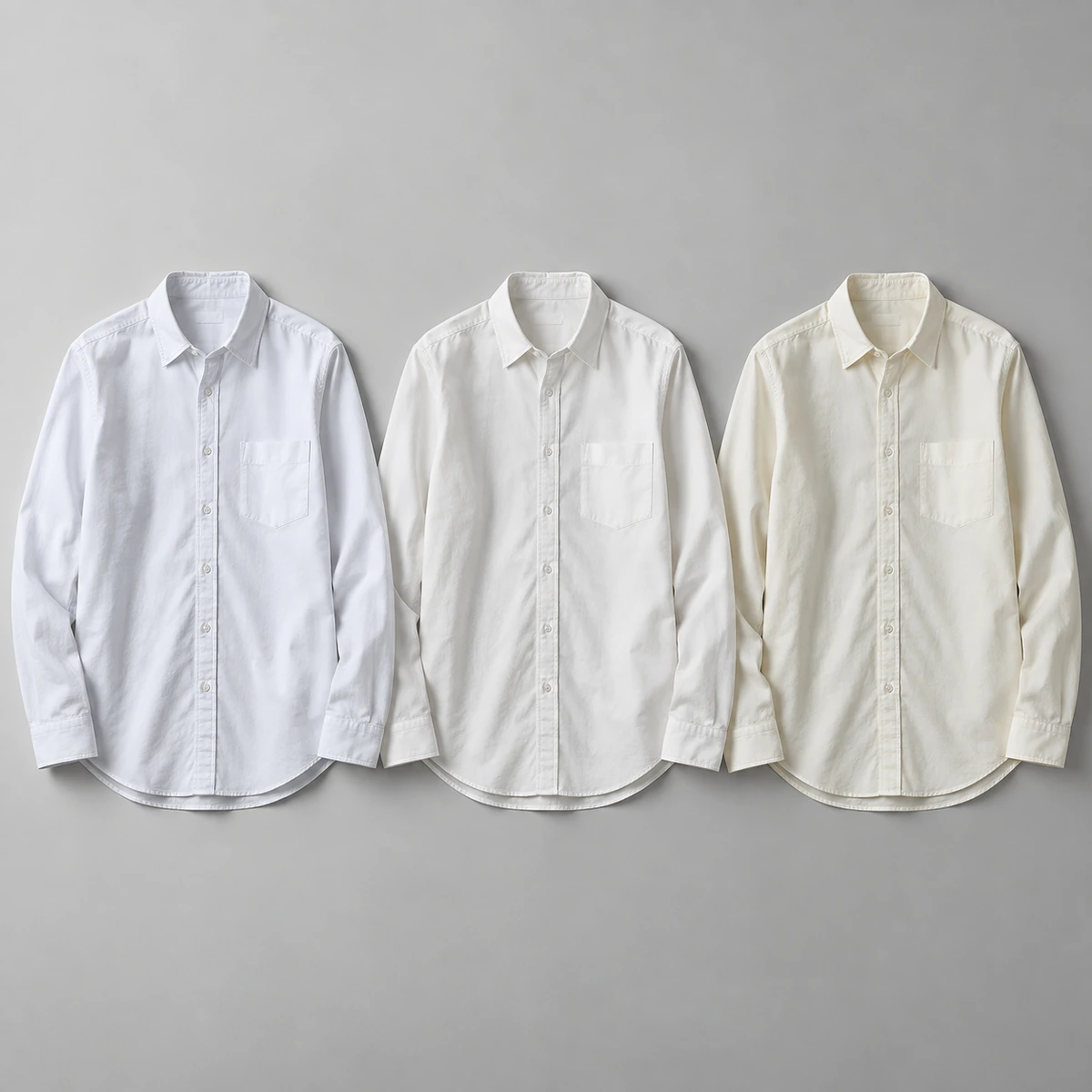
Optic White, Soft White, or Ivory? How to Choose Your Best White
Compare white garments by relative tint, contrast, fabric, and lighting. Use seller labels as clues, not rules, to choose for your outfit.
Compare white garments by relative tint, contrast, fabric, and lighting. Use seller labels as clues, not rules, to choose for your outfit.
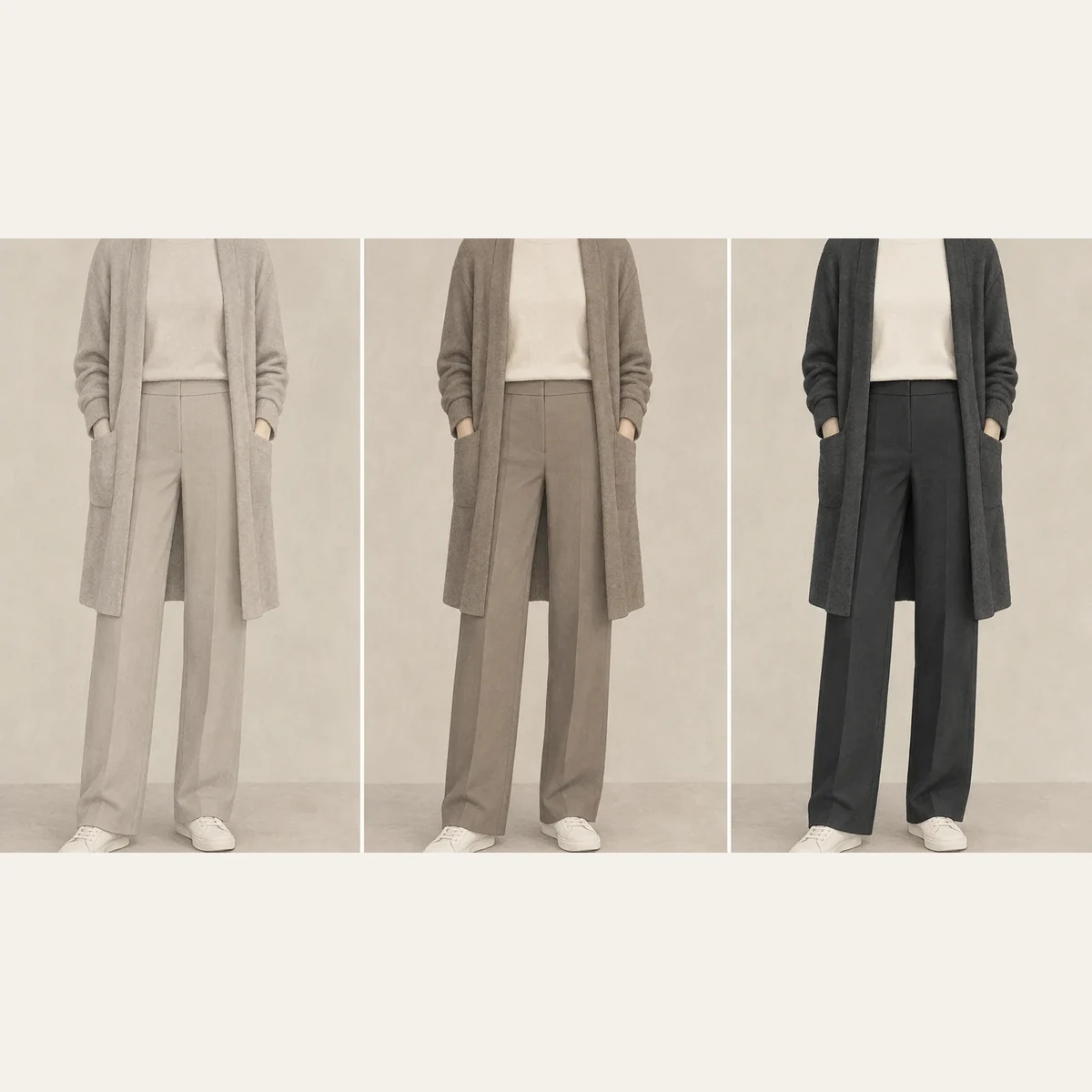
Compare three relative outfit value structures while keeping other differences as small as practical, then choose one for a stated context.

Choose jewelry by temperature, finish, depth, contrast, placement, and wardrobe—not a universal warm-gold/cool-silver rule.
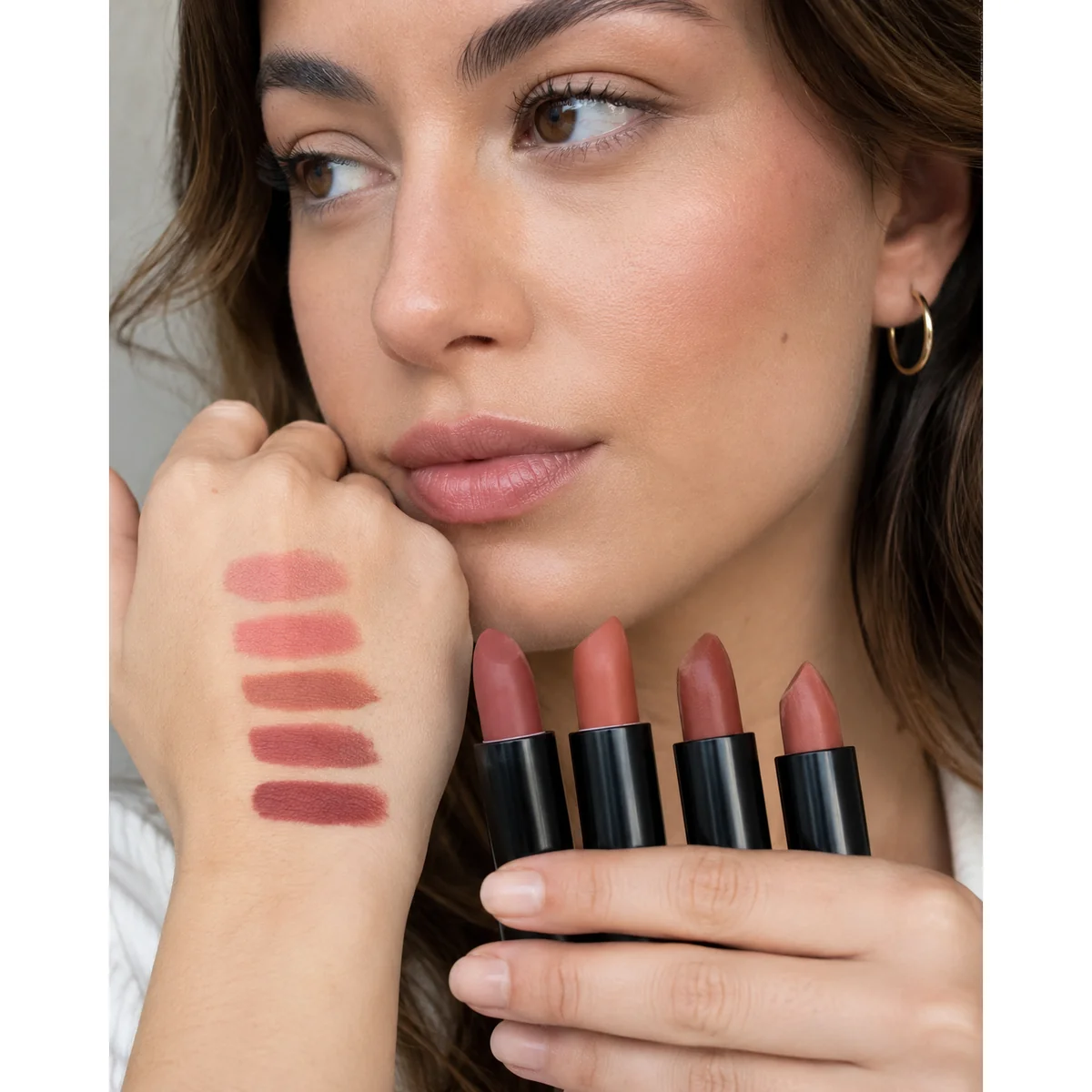
Choose lipstick using temperature, depth, and saturation, then compare lip pigment, opacity, and finish with practical daylight swatches.

What color-perception research supports, what seasonal styling merely organizes, and what has not been validated about the 12-season system.

Compare warm and cool colors in daylight, understand the limits of vein and jewelry clues, and check depth and saturation before choosing.

Not all colors brighten skin equally. Here are 7 shades that make skin look more radiant — and which personal color seasons they work best for.
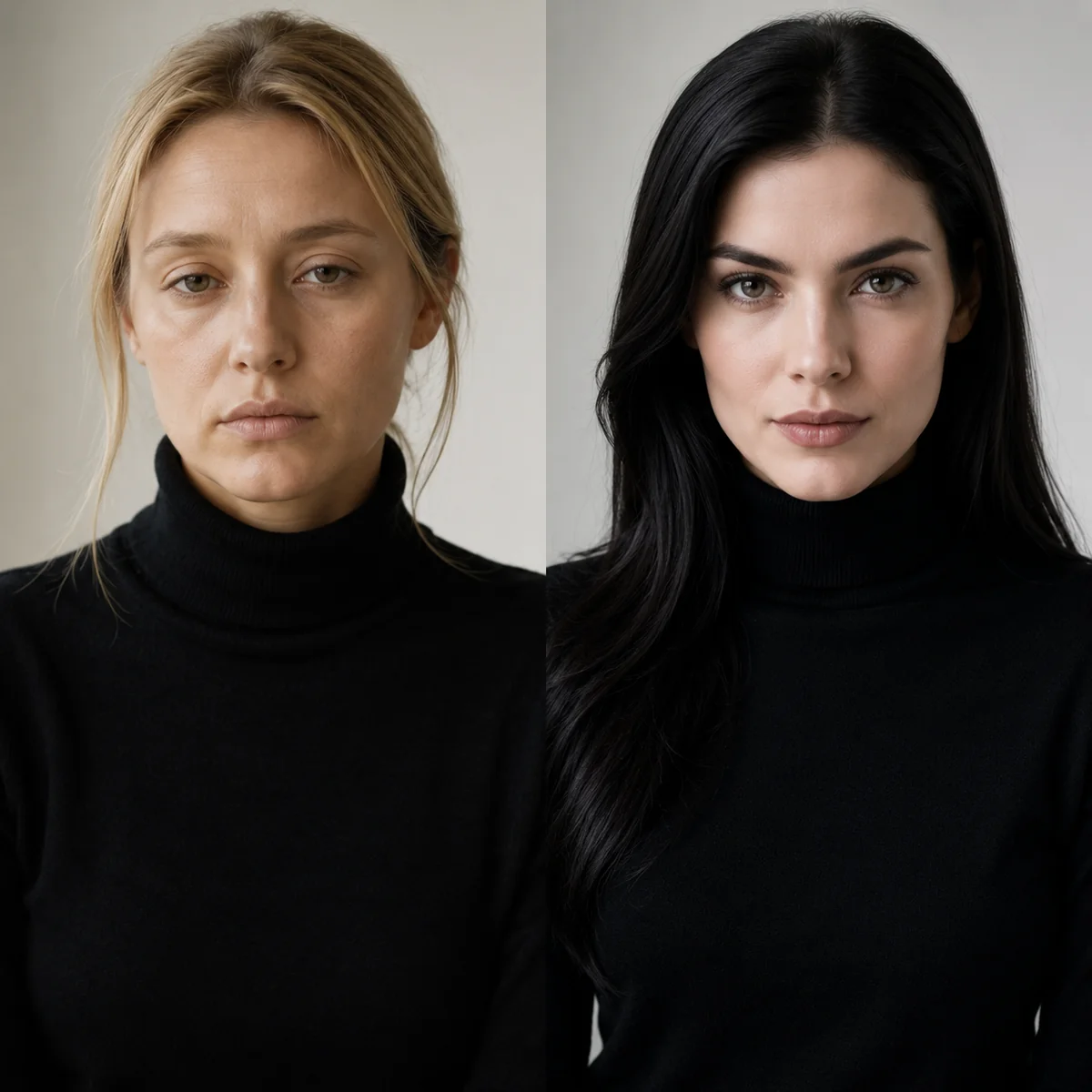
Black isn't universally flattering. Here's who it tends to suit, when it can look harsh near the face, and what to wear instead.

Explore navy, camel, ivory, burgundy, gray, and green, then choose the shades, fabric, and fit that make a polished outfit feel like you.

Navy, olive, burgundy, camel, and light blue offer versatile options after 40. Find the depth, warmth, and saturation that suit your palette.
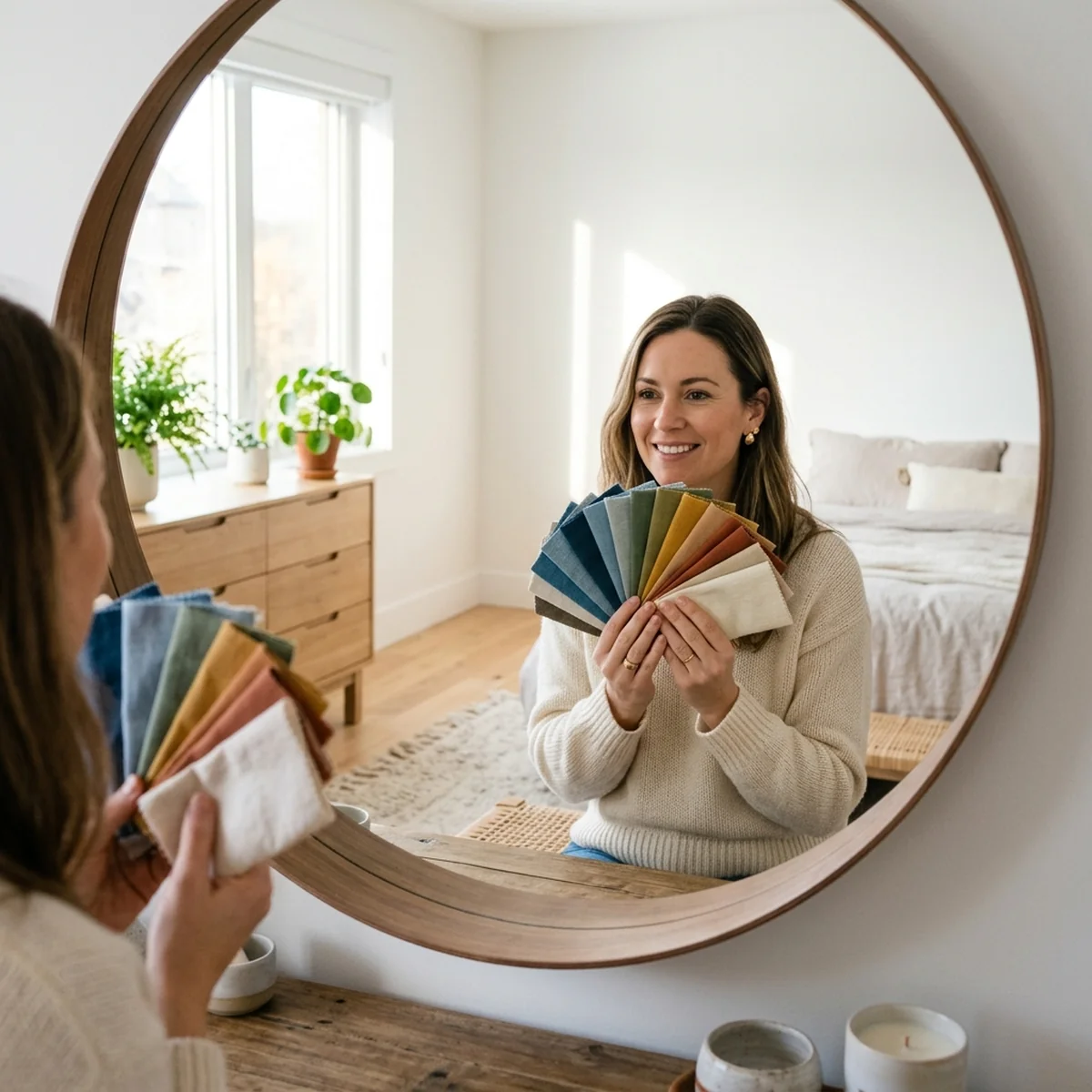
Use five minutes to control lighting, sample temperature, value, chroma, and contrast, and choose a follow-up comparison—not to claim a final season.

Discover which colors make men look younger based on their personal color season. Learn which warm and cool tones to wear near your face — and which to avoid.

A transparent guide to what personal color analysis observes, how four- and twelve-season labels are assigned, and how to test a result without treating it as a diagnosis.