trends
Cool Blue Makeup: Does the 2026 Trend Suit Your Color Season?
Find the right icy blue, aqua, or teal for your color season, with a 12-season guide to frosted makeup, placement, and product choices.
We may earn a commission from Stylevana links.
Pinterest publishes an annual trend forecast, Pinterest Predicts. One of its 2026 predictions is “Cool Blue” — an icy, frosted, faintly futuristic blue.
Icy blue eyeshadow can look subtle or theatrical depending on the shade, finish, and placement. Advice based only on eye color (“blue eyes wear orange, brown eyes wear purple”) leaves out skin undertone, depth, and saturation. Your personal color season offers a starting point for comparing those variables.
Quick Answer: Cool Blue and frosted eyeshadow work with the least adjustment on cool-undertone seasons — Summer and Winter types, especially Bright Winter. Warm-undertone seasons (Spring and Autumn) can still wear the trend, but it holds up better as a liner or accent than a full lid wash, and shifting toward teal or turquoise keeps the color from fighting the skin’s natural warmth.
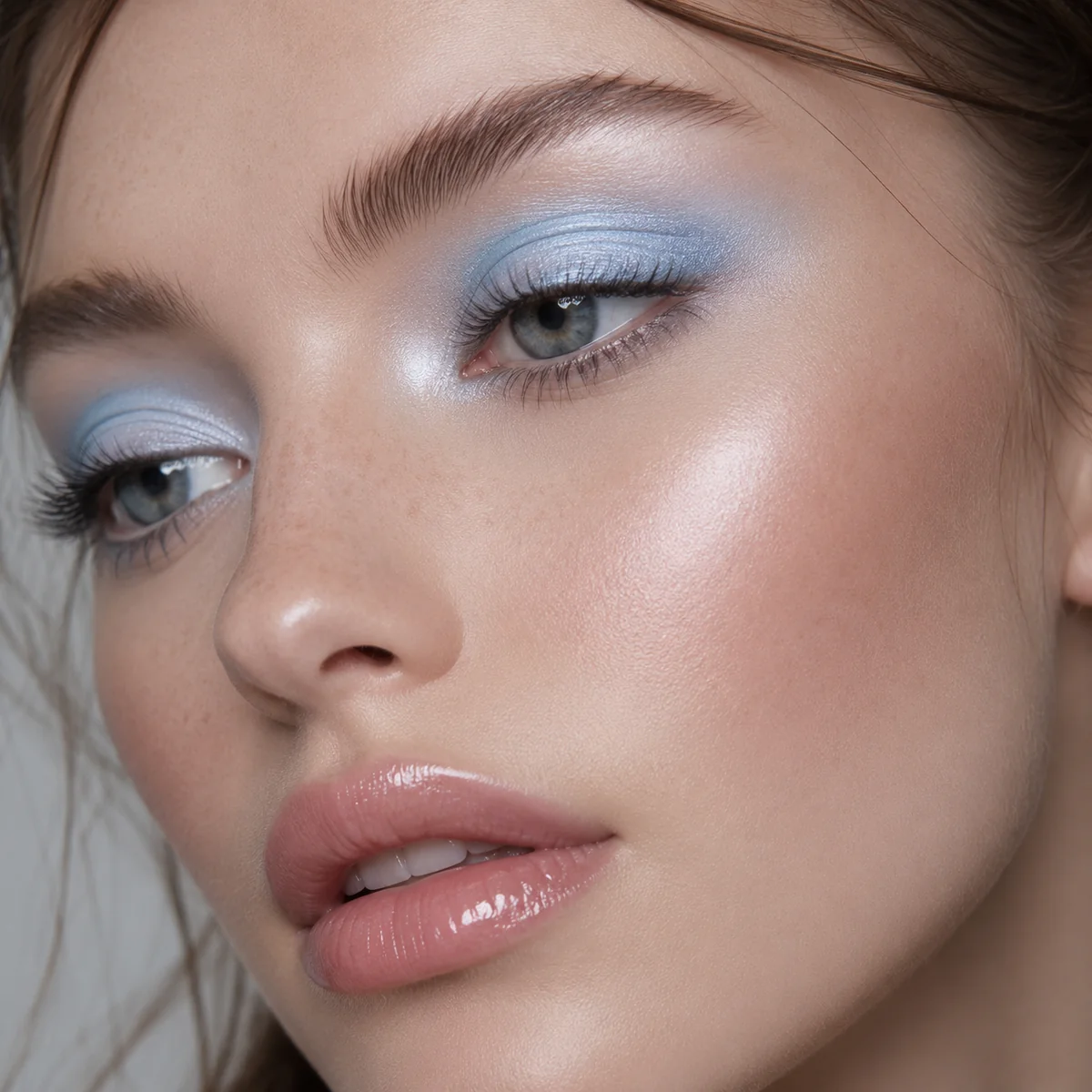
This guide walks through where the trend actually came from, why undertone matters more than eye color in deciding if it works for you, how all 12 personal color seasons can adapt it, and which application technique fits your season best.
What Is the 2026 “Cool Blue” Makeup Trend, Exactly?
Pinterest’s annual trend report describes Cool Blue as part of a broader shift toward “subzero” color stories — icy, high-shine, slightly synthetic-feeling blues that read as more futuristic than romantic. It’s landing alongside a wider move away from the soft, minimal “clean girl” aesthetic that dominated the last few years, toward bolder, moodier eye makeup: more color on the lid, more finish, more willingness to make the eyes the obvious focal point of a look.
That context matters, because it explains why this isn’t a straight Y2K throwback. The early-2000s version of icy blue usually came with heavy liner, frosted lips, and very little restraint anywhere else on the face. The 2026 version tends to show up as one deliberate feature — a wash, a liner, or a single accent — set against otherwise minimal skin and brows. Same color family, more curated execution.
For a separate Pinterest-predicted direction built around deliberate mismatch rather than one icy hue, see the source-checked Glitchy Glam adaptation guide.
How Undertone Helps You Choose a Blue
Cool blues are a good starting point for Summer and Winter palettes. Summer often benefits from softer or more diffused blue; Winter can usually carry a clearer blue and stronger contrast. For Spring, aqua or turquoise often connects more easily with a warm palette. Autumn can start with muted teal or deeper petrol blue.
Eye color can help you choose the contrast you want, but it does not decide whether blue is wearable. Depth, saturation, opacity, and finish also affect the result.
For temperature comparisons, use our full undertone guide. Vein color and gold-or-silver preferences are clues, not reliable ways to determine a season. For the shared method and its limits, see What Is Personal Color Analysis?.
The 12-Season Cool Blue Matrix
The blue’s warmth, depth, saturation, and application area help adapt the look to each palette. Our complete guide to all 12 personal color seasons explains the seasonal directions. The amounts below are starting points, not limits.
| Season | Palette direction | Blue to start with | Application to try |
|---|---|---|---|
| Light Spring | Warm, light | Light aqua or turquoise | A sheer accent |
| True Spring | Warm, clear | Aqua-turquoise | Liner or a light wash |
| Bright Spring | Warm, bright | Vivid aqua or cobalt | A defined accent or bolder liner |
| Light Summer | Cool, light, soft | Pale blue | A diffused wash |
| True Summer (Cool Summer) | Cool, moderately soft | Lavender-blue or cool medium blue | A soft-to-medium wash |
| Soft Summer | Cool to cool-neutral, muted | Dusty denim or blue-gray | A blended, low-saturation wash |
| Soft Autumn | Warm, muted | Muted teal | A soft liner or small wash |
| True Autumn (Warm Autumn) | Warm, rich | Deep petrol or teal | Liner with a bronze or copper base |
| Deep Autumn | Warm, deep | Deep navy-teal | A smoky blend |
| Bright Winter | Cool, bright | Clear icy blue or vivid cool blue | A brighter wash or accent |
| True Winter (Cool Winter) | Cool, clear | Cool blue or sapphire | A defined medium-to-full wash |
| Deep Winter | Cool, deep | Deep navy or sapphire | A deeper smoky blend |
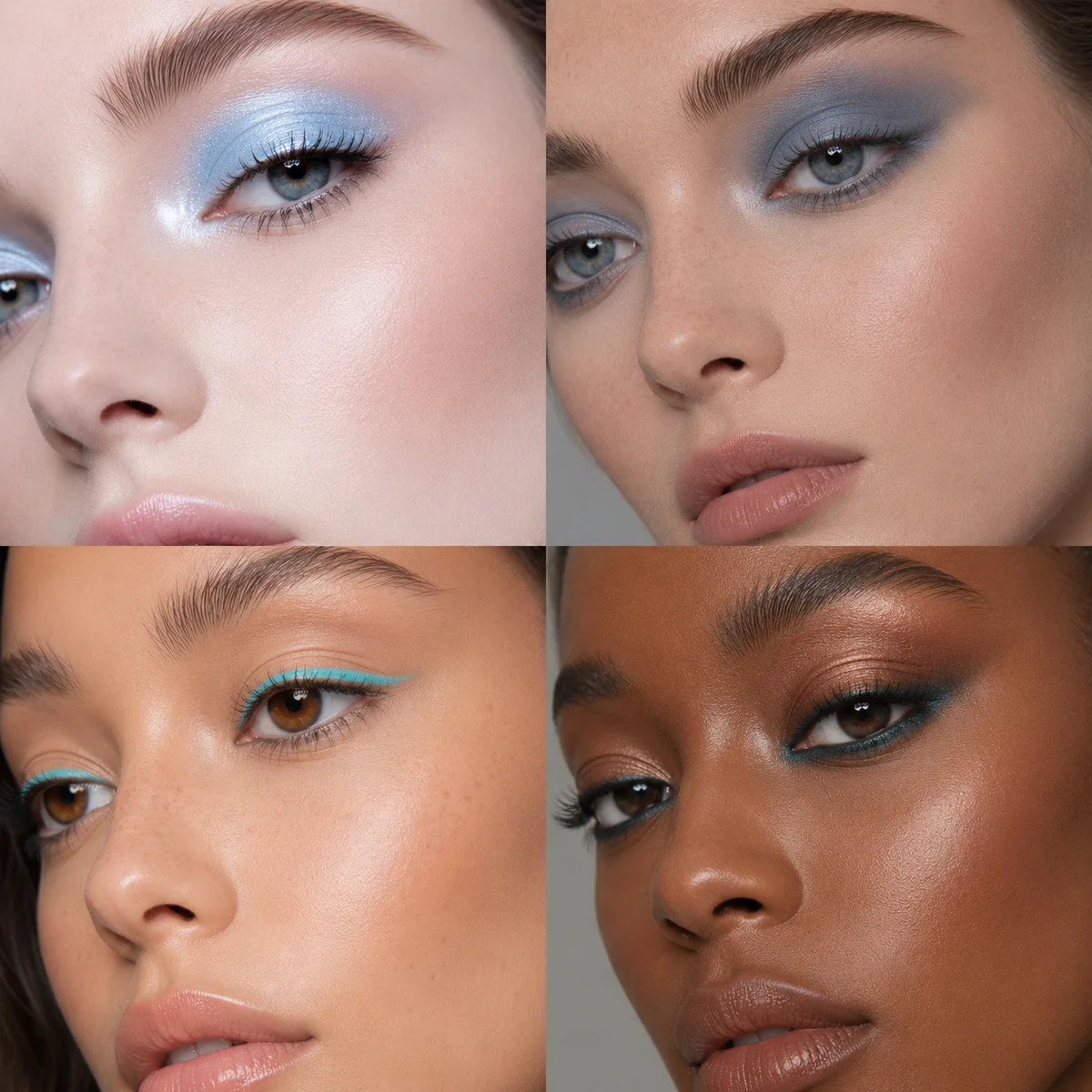
Winter palettes often make an icy-blue look straightforward, but depth still matters: Deep Winter can start with navy or sapphire rather than pale frost. Summer generally benefits from a softer finish. Light Summer can keep the color sheer; compare the two light seasons directly for more on lightness.
Soft Summer often finds a gray-blue easier than a crisp, highly reflective ice. The Soft Summer vs Cool Summer comparison explains the muted-versus-clearer distinction within the cool range.
For Spring, aqua and turquoise are useful warmer blue directions. Autumn often works well with muted teal, petrol, or navy-teal, especially with bronze or copper. The True Autumn vs Soft Autumn breakdown helps distinguish softer from richer warm options.
Wash, Liner, or Point: Picking Your Application Technique
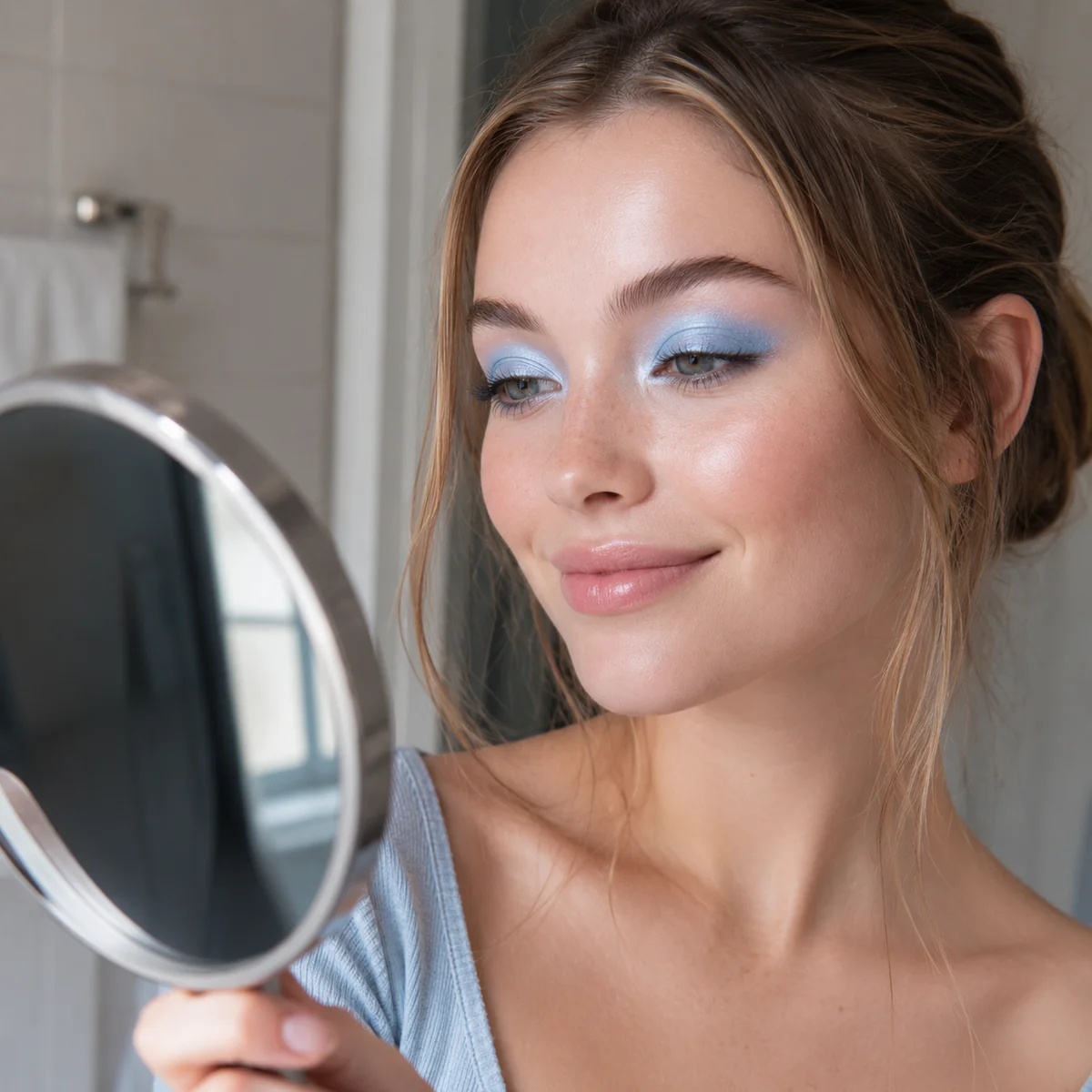
Wash spreads color across the lid, usually with a blended edge. A soft blue wash is a useful Summer starting point; Winter can often carry a clearer or more reflective version.
Liner places less blue near the face and gives the look a defined edge. Aqua liner works well as a Spring starting point, while teal or petrol can connect with Autumn’s warmer colors.
Point, or accent, adds a small area of blue on the lid or another placement permitted by the product’s directions. It is an easy way for any season to include the color without making it the whole look.
Follow the exact product’s eye-area instructions, especially for inner-corner or waterline use. A primer may help some formulas apply evenly; tapping and blending techniques depend on the texture.
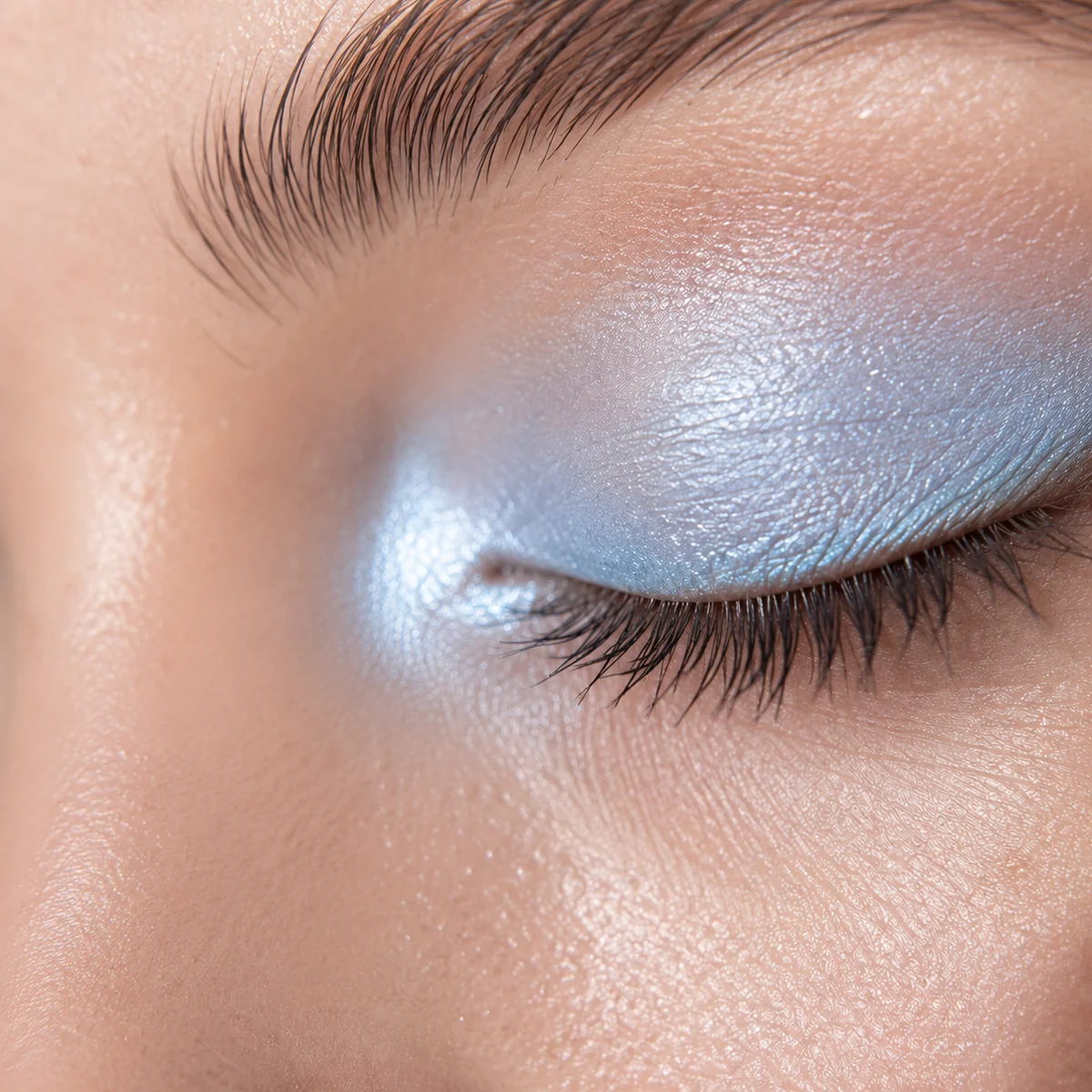
WAKEMAKE Soft Blurring Eye Palette: check the current colorway for the blue, finish, and depth you want. This article does not document an EverlySpark wear test, so the palette’s blending performance should not be inferred from its name or promotional image.
Revlon PhotoReady Eye Contour Kit: check the exact version and shades in your regional listing before choosing it for liner or a small accent. This article does not document an EverlySpark wear test of the kit.
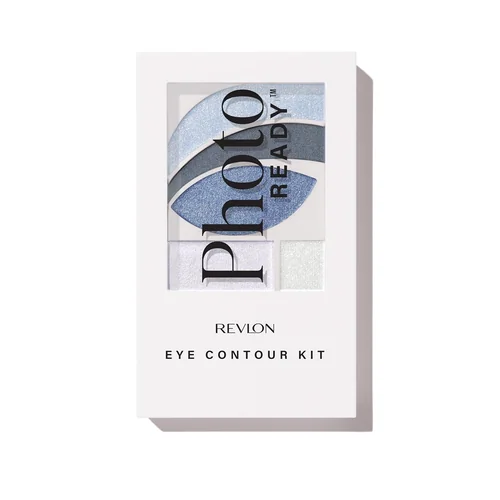
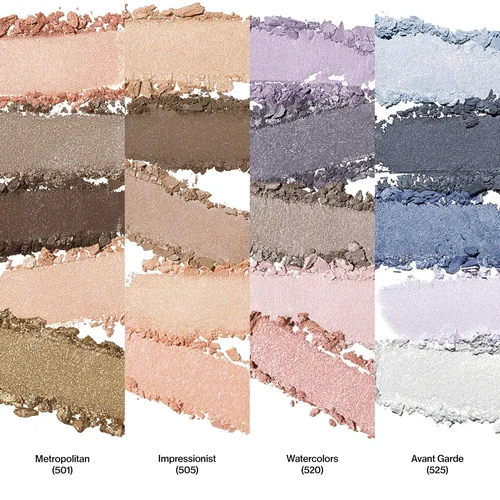
Disclosure: EverlySpark may earn a commission from Stylevana links in this article. Product descriptions are not independent performance tests. Check the exact shade, local stock, eye-use directions, seller, and return conditions before buying.
FAQ
Does cool blue eyeshadow work on warm undertones at all?
Yes, with adjustments. A full icy-blue wash is the hardest version to pull off on warm undertones, but shifting toward turquoise or aqua and using it as a liner or inner-corner accent rather than a full lid color keeps the trend wearable without fighting the skin’s warmth.
What’s the actual difference between “frosted” makeup and regular shimmer?
Frosted finishes often have a pale, reflective sheen; shimmer can be warm, cool, or neutral, so check the actual product rather than assuming shimmer means gold. That cool sheen is a big part of why the look reads as “icy” rather than just sparkly, and it’s also why frosted finishes lean more flattering on cool undertones by default.
Is icy blue eyeshadow only for people with blue or light eyes?
No. Eye color affects which exact shade flatters most — warm browns often pair well with cooler blues by contrast — but it’s a secondary factor. Skin undertone, not eye color, is the bigger variable in whether the color reads as harmonious or slightly off.
Which personal color season can wear this trend with the least adjustment?
Bright Winter, generally. High contrast and a clear cool undertone mean a full-strength icy blue wash can be worn close to how it appears in trend photos, without needing to mute or shift the shade.
How do I keep frosted blue from looking dated instead of current?
Keep the rest of the face minimal — skin, brows, a neutral lip — and use the icy blue as the one statement feature rather than pairing it with heavy liner, false lashes, and a matching blue lip the way some early-2000s looks did. The 2026 version reads as more curated and intentional, not as a full throwback.
Can Soft Autumn or Soft Summer wear this trend at all?
Soft Autumn needs the most adjustment of any season — a muted teal or slate liner, smudged rather than sharp, is the realistic version. Soft Summer can wear more of the trend than Soft Autumn can, but a greyed, denim-leaning blue blended heavily reads better than a crisp, bright ice.
What’s the easiest way to try this trend without committing to a full look?
Start with the point or accent version — a small tap of frosted blue at the inner corner or center of the lid. It’s low-risk, takes under a minute, and gives a reasonable sense of whether you want to move toward a fuller liner or wash. If you’re starting from scratch on your season, our five-minute guide to finding your personal color season is a faster starting point than guessing.
Final Thoughts
Trend forecasts are good at calling what’s coming next. They’re not built to tell you whether it actually suits you — that’s the gap a personal color framework fills, and Cool Blue turns out to be a useful test case, not because it excludes most seasons, but because almost nobody is meant to wear it exactly as shown on the moodboard.
Across all 12 seasons, the trend is wearable. What changes is the dose — how much blue, how saturated, and whether it goes on as a wash, a liner, or just a point. Bright Winter gets to do the least adjusting; Soft Autumn and Soft Summer do the most. Everyone else sits somewhere in between.
For a wash, look for a palette with the blue and blendable finish you want; for liner, check that the exact product is suitable for that placement.
If you’re still not sure which season you’re working with, the free photo-based color analysis samples your photo’s colors and applies fixed rules to suggest a direction in a few minutes, or browse the complete 12-season guide to see your full palette before you shop for anything blue.
Correction (Oct 2026): removed an unsupported search-growth claim and corrected the description of shimmer finishes.