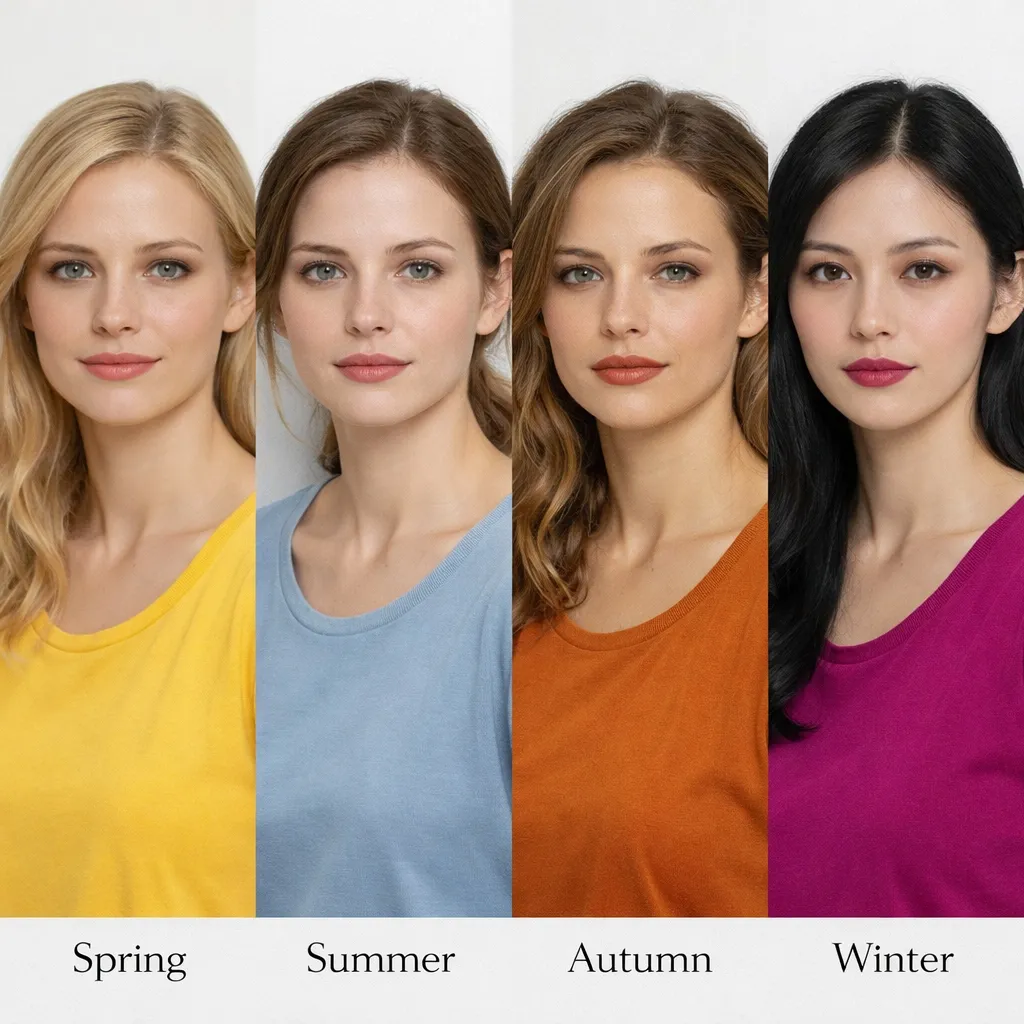
Best Colors for Each Season: A 12-Season Decision Matrix
Choose the right version of a color by temperature, value, chroma, and contrast—not by copying a generic seasonal palette.
All 12 seasons
Choose the right version of a color by temperature, value, chroma, and contrast—not by copying a generic seasonal palette.

Test dark value first, compare matched cool and warm deep colors second, and use contrast only as a final tie-breaker between the two Deep seasons.
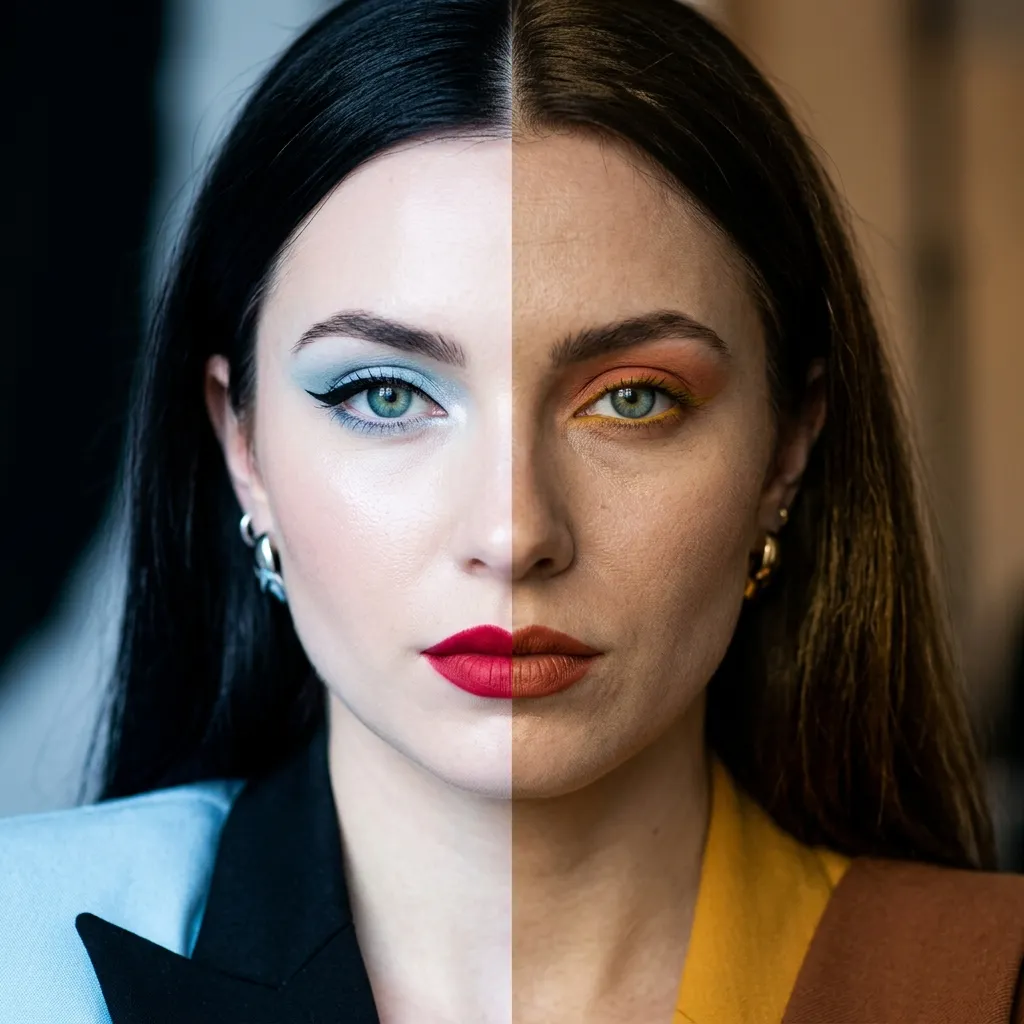
Replace absolute warm-color rules with matched comparisons, near-neutral exceptions, and placement strategies for a Cool or True Winter wardrobe.

Compare equally vivid cool and warm colors before using contrast or depth as tie-breakers, and keep Bright Winter or Bright Spring as a hypothesis.

Test Warm or True Autumn against Soft and Deep Autumn with controlled fabric comparisons, uncertainty notes, and a practical wardrobe next step.

Hold softness and depth steady, compare warm and cool muted colors, then use value and contrast only when the first result remains ambiguous.

Diagnose temperature, depth, saturation, contrast, and placement separately so a difficult Soft Summer color becomes a solvable styling problem.

Compare cool and warm drapes while controlling value and chroma, then test whether Cool or True Summer is stronger than Light or Soft Summer.

Separate too much chroma from too much contrast or depth, build a simple color ladder, and adjust Bright Spring colors to suit you.
Try a free photo-based analysis for a starting color direction, then compare it with the clothes and makeup you already use.